

Why Handmade Silver Jewelry Is Expensive
Table of Contents
- The Real Cost of Raw Materials and Metal Composition
- Sterling Silver vs Fine Silver Durability and Value
- Craftsmanship and Labor: The Heart of the Price
- Design Complexity and Finishing Work Add Hidden Costs
- How to Identify High-Quality Handmade Silver Jewelry
- How to Care for Handmade Sterling Silver Jewelry
- Handmade Silver Jewelry as an Investment vs Wearable Art
- Frequently Asked Questions
Last Updated: September 30, 2026
The Real Cost of Raw Materials and Metal Composition
Why handmade silver jewelry is expensive starts with the material itself. Sterling silver, the industry standard for fine jewelry, costs significantly more than most people realize. At Inner Wild Jewelry, we source authentic sterling silver (925 hallmark) for every piece, which means the metal alone represents a substantial portion of the final price.
Sterling silver contains 92.5% pure silver and 7.5% other metals, typically copper. This specific composition exists for a reason: pure silver is too soft for jewelry that needs to withstand daily wear. The copper alloy strengthens the metal while maintaining the lustrous appearance customers expect. The precious metal spot price fluctuates based on global commodity markets, meaning material costs change constantly. When silver prices rise, so does the cost of production.
Fine silver (99.9% pure) is even more expensive than sterling, making it impractical for most wearable jewelry. This is why understanding the difference between sterling silver vs fine silver durability matters, sterling silver offers the best balance of workability, durability, and cost. The raw material investment before any craftsmanship begins is substantial, and that cost passes directly to the customer.
Sterling Silver vs Fine Silver Durability and Value
Sterling silver vs fine silver durability represents a critical distinction that affects both price and longevity. Fine silver is softer and more malleable, which makes it easier to shape but far more prone to denting and scratching during wear. Sterling silver's copper content creates a harder alloy that resists damage better, making it the practical choice for rings, bracelets, and pieces meant to be worn regularly.
The durability advantage of sterling silver justifies its use in handmade jewelry. A fine silver bracelet might develop visible wear within months of regular use. Sterling silver maintains its integrity far longer, protecting the investment a customer makes. This durability translates to perceived value, a piece that lasts years justifies a higher price than one that requires constant repair.
Tarnish resistance also differs between the two. Sterling silver tarnishes more readily than fine silver because of the copper content, but this is manageable with proper care. Fine silver resists tarnish but sacrifices the structural integrity needed for jewelry that must survive real-world conditions. The trade-off is intentional: durability over tarnish resistance for wearable pieces.
When customers understand why handmade silver jewelry is expensive, they're often surprised to learn that material choice is just the beginning. The metal composition alone doesn't account for the labor, design complexity, and finishing work that follows.
Craftsmanship and Labor: The Heart of the Price
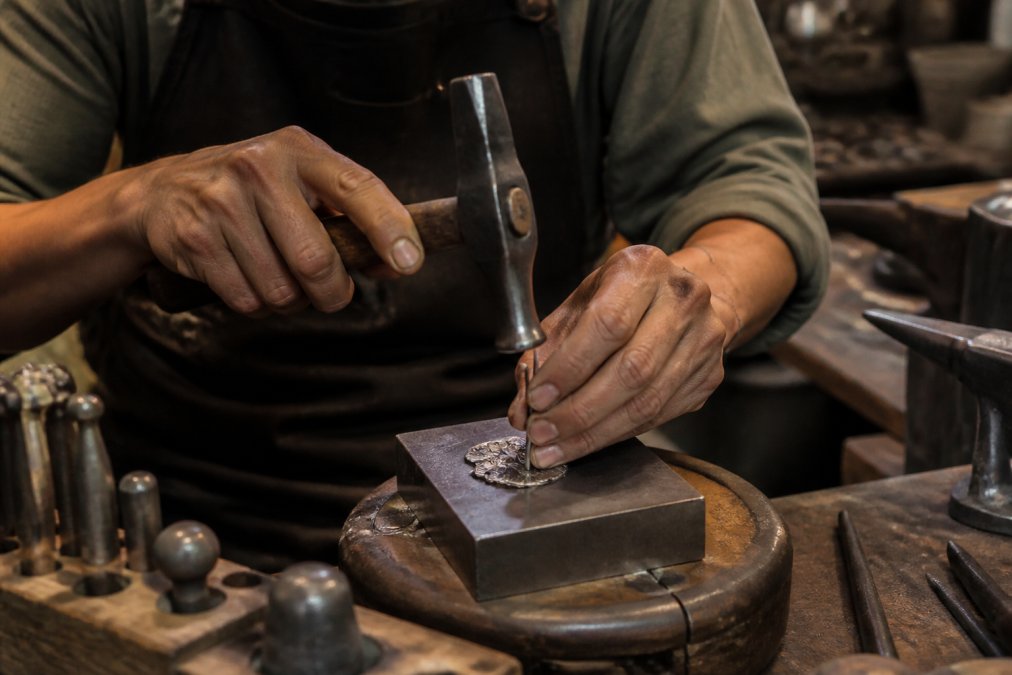
Craftsmanship is where handmade silver jewelry diverges most dramatically from factory production. Each piece requires skilled labor performed by hand, often over several hours. A silversmith must understand metal behavior, tool control, and design execution at a level that takes years to develop.
At Inner Wild Jewelry, every piece is handcrafted by silversmith Leila, which means no two pieces are identical. This artisan labor is labor-intensive work that cannot be rushed or automated. A simple sterling silver ring might require 3-5 hours of focused work. More complex pieces with multiple design elements, stone settings, or intricate detailing can take 8-12 hours or more.
The cost of skilled labor in jewelry fabrication is substantial. A craftsperson working on handmade silver jewelry must be compensated fairly for their expertise and time. This is fundamentally different from factory settings where workers perform repetitive tasks on assembly lines. The artisan labor model demands higher hourly rates because the work requires constant problem-solving, artistic decision-making, and technical precision.
A common mistake is assuming handmade means "simple" or "quick." The opposite is true. Handmade work is slower, more deliberate, and more expensive precisely because it involves genuine craftsmanship. Mass-produced jewelry can be made in minutes per piece. Handcrafted jewelry cannot.
Design Complexity and Finishing Work Add Hidden Costs
Design complexity directly impacts the price of handmade silver jewelry. A simple band requires minimal design work. A piece featuring multiple design elements, stone settings, texture work, or intricate detailing multiplies the labor required. The more complex the design, the more skill and time the piece demands.
Finishing work is often invisible to customers but essential to quality. After the main structure is complete, a silversmith must sand, polish, and refine the piece to achieve a professional appearance.
Surface finishing includes multiple stages: rough sanding, fine sanding, polishing, and burnishing. Each stage requires different tools and techniques. A piece that looks effortlessly smooth actually required hours of finishing work. The difference between a piece that looks handmade and one that looks professional comes down to finishing quality.
Design intricacy also affects material waste. Complex designs sometimes require starting with more silver than the final piece contains, as mistakes or design adjustments necessitate reworking sections. This waste is built into the cost structure. A simple design uses material more efficiently than an intricate one.
The Siren’s Depth Bangle | Tahitian →
How to Identify High-Quality Handmade Silver Jewelry
Identifying high-quality handmade silver jewelry requires understanding what separates genuine craftsmanship from lower-quality work. The first indicator is the hallmark. Authentic sterling silver jewelry should bear a 925 mark, indicating the silver content. Absence of a hallmark is a red flag, legitimate handmade pieces are marked.
Weight is another quality signal. Genuine sterling silver has density that feels substantial in hand. Pieces that feel too light relative to their size may contain less silver than advertised or use inferior alloys. Handmade pieces typically have noticeable weight because they're crafted with solid metal, not plating over cheaper bases.
Surface quality reveals craftsmanship. Examine the piece closely for rough spots, uneven edges, or incomplete polishing. High-quality handmade work shows consistent finishing throughout. Seams should be smooth, joints should be secure, and the overall surface should feel refined. Imperfections are normal in handmade work, but they should be intentional design choices, not manufacturing flaws.
Consistency of design execution matters. If a piece has multiple similar elements, like repeated patterns or multiple stone settings, they should be uniform. Inconsistency suggests rushed or careless work. True artisan labor produces consistency because the craftsperson cares about quality.
Ask about the maker. Legitimate handmade jewelry artisans can describe their process, materials, and design inspiration. They know their work intimately. Vague answers or inability to discuss the creation process suggests the piece may not be genuinely handmade.
How to Care for Handmade Sterling Silver Jewelry
Proper care extends the life of handmade silver jewelry and preserves its appearance. Sterling silver tarnishes naturally when exposed to air and moisture, but tarnishing doesn't damage the metal, it's a surface discoloration that's easily reversed.
Store pieces in a cool, dry place away from direct sunlight. An airtight container or sealed bag slows tarnishing significantly. Avoid storing jewelry in humid environments like bathrooms. Moisture accelerates tarnishing and can promote corrosion in vulnerable areas.
Cleaning handmade sterling silver jewelry requires gentle methods. A soft cloth and mild soap with lukewarm water work well for regular maintenance. For heavier tarnish, a silver polish designed for sterling silver can restore shine. Never use harsh chemicals or abrasive scrubbers, these can damage the finish and scratch the surface.
Remove jewelry before swimming, showering, or exercising. Chlorine, saltwater, and sweat all accelerate tarnishing and can damage certain finishes.
For pieces with gemstones or delicate elements, take extra care during cleaning. Avoid submerging pieces with glued stones in water. Instead, wipe gently with a damp cloth.
:::pro tip
Handmade Silver Jewelry as an Investment vs Wearable Art
The question of whether handmade silver jewelry is an investment or wearable art reflects a fundamental tension in how customers value these pieces. Most handmade silver jewelry should be viewed primarily as wearable art, beautiful, meaningful objects meant to be worn and enjoyed. This perspective removes the pressure to treat pieces as financial investments.
| Aspect | Mass-Produced Silver Jewelry | Handmade Silver Jewelry |
|---|---|---|
| Material | Often plated or lower silver content | Sterling silver (925) or fine silver |
| Production Time | Minutes per piece | Hours per piece |
| Design Uniqueness | Identical copies | One-of-a-kind variations |
| Labor Cost | Minimal (assembly line) | Substantial (skilled artisan) |
| Finishing Quality | Consistent but basic | Detailed and refined |
| Durability | Variable, often lower | High with proper care |
| Resale Value | Minimal | Retains material value |
Frequently Asked Questions
Why is handmade silver jewelry so much more expensive than mass-produced pieces?
Handmade silver jewelry is expensive because each piece requires significant labor hours, skilled craftsmanship, and attention to detail. Unlike factory production, artisans hand-forge, shape, and finish every element. The 925 sterling silver itself costs more than cheaper alloys used in mass production. Add in design complexity, ethical sourcing, and finishing work like polishing, and the result is a piece with intrinsic value and durability that justifies the premium price.
What's the difference between sterling silver vs fine silver durability?
Fine silver (99.9% pure) is softer and more prone to bending or warping with regular wear, making it less ideal for jewelry that needs to hold its shape. Sterling silver (92.5% pure silver with 7.5% alloy, typically copper) is much more durable and resistant to damage while retaining the precious metal's beauty. Sterling silver's hardness makes it the industry standard for handmade jewelry, especially pieces designed for everyday wear like the Tidebreaker Cuff or Element Ring.
How do I know if handmade silver jewelry is actually high-quality?
Look for the 925 hallmark stamped inside the piece, which certifies sterling silver composition. Examine the craftsmanship: smooth joints, even metal thickness, and no rough edges. Check the weight, quality silver feels substantial. Ask the maker about their process and materials. Reputable artisans provide transparency about sourcing and finishing techniques. Inner Wild Jewelry pieces, for example, use handcrafted sterling silver with sustainably sourced materials and include made-to-order details that reflect genuine artisan work.
Is handmade silver jewelry worth the investment?
Yes, for wearable value. Handmade pieces retain their intrinsic value based on silver spot price and craftsmanship quality. Beyond resale, handmade pieces offer emotional and aesthetic value, they're wearable art with stories and unique character that factory jewelry cannot match.