

How to Care for Handmade Silver Jewelry
Table of Contents
- Why Handmade Silver Jewelry Demands Different Care
- Daily Cleaning Methods for Handmade Silver
- Why Does My Silver Ring Turn My Finger Green?
- Best Storage Practices for Sterling Silver
- How to Remove Tarnish from Handmade Silver
- Protecting Gemstones in Your Handmade Pieces
- What to Avoid: Chemicals and Methods That Damage Silver
- Preventative Maintenance: Build a Lasting Care Routine
- Frequently Asked Questions
Last Updated: September 25, 2026
Why Handmade Silver Jewelry Demands Different Care
Handmade silver jewelry lacks the protective coatings and industrial durability of factory pieces. When you own a piece from Inner Wild Jewelry, like the Tidebreaker Force Necklace with its hand-set fossilized shark tooth, you're holding something made by hand and vulnerable to environmental stressors that affect all sterling silver.

Knowing how to care for handmade silver jewelry determines whether a piece lasts decades or deteriorates quickly. Sterling silver is 92.5% pure silver mixed with copper for strength; that copper oxidizes when exposed to sulfur compounds, humidity, lotions, and perfumes, creating tarnish. Handmade pieces tarnish faster because artisans often leave natural patinas and finishes that aren't sealed like factory pieces.
Tarnish is preventable and reversible, but prevention requires protecting the integrity of handcrafted details, gemstone settings, and the piece's unique character.
Daily Cleaning Methods for Handmade Silver
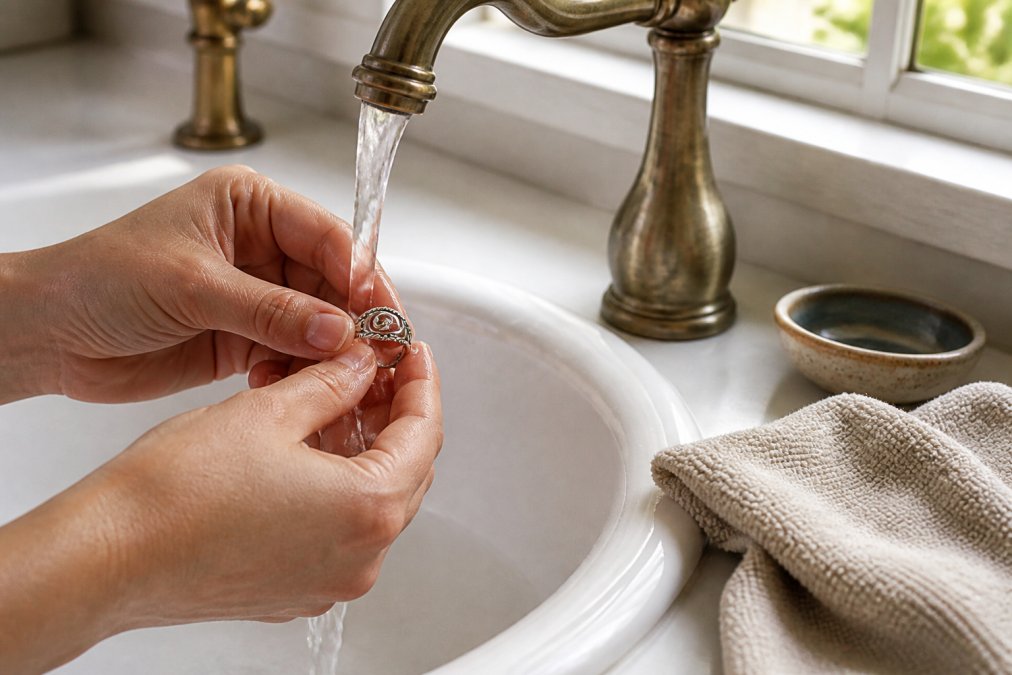
Daily maintenance prevents most tarnish buildup. A quick rinse removes sulfur compounds and moisture before they cause visible damage.
Mild Soap and Water Technique
Fill a bowl with lukewarm water and add a drop of gentle dish soap. Soak the piece for 2-3 minutes, then gently scrub with a soft-bristled brush, paying attention to crevices. For gemstones, brush away from the setting. Rinse thoroughly until all soap is gone, then dry immediately with a microfiber cloth. This five-minute routine should follow wearing, especially against skin, perfume, or in humid conditions.
Using a Polishing Cloth Safely
A microfiber polishing cloth removes light tarnish without abrasiveness. Use it gently on dull (not dark) silver in circular motions; avoid rubbing gemstones directly. Never use on pieces with intentional oxidized finishes, patina work, or hand-stamped details where darkening is part of the design.
Why Does My Silver Ring Turn My Finger Green?
Green discoloration on skin is a harmless reaction between copper in sterling silver and sweat or skin oils. It's not a sign of poor quality. To prevent it, keep rings dry by removing them before washing hands or showering, or apply a thin coat of clear nail polish to the inside of the ring. Rotating which pieces you wear daily also helps. The stain washes off with soap and water.
Best Storage Practices for Sterling Silver
Storage between wearings dramatically impacts tarnish speed. Minimize exposure to air, humidity, and sulfur compounds to prevent undoing your cleaning efforts.
Protecting Against Humidity and Oxidation
Use a tarnish-resistant jewelry pouch or the protective packaging Inner Wild Jewelry pieces arrive in. Include anti-tarnish strips inside, replacing them every 3-6 months. Store in a cool, dry place away from bathrooms and direct sunlight. Wrap multiple pieces individually in soft cloth or acid-free tissue to prevent scratching and isolate tarnish.
Long-Term Storage for Humid Climates
For humid climates or long-term storage, add silica gel packets to absorb moisture, replacing them monthly during humid seasons. Vacuum-seal pieces for extended storage, ensuring they're completely dry first. Check stored pieces every few months for light tarnish and loose gemstone settings.
How to Remove Tarnish from Handmade Silver
Despite your best efforts at prevention, tarnish will eventually appear. The good news is that it's completely reversible. The key is knowing which method to use based on how heavy the tarnish is and what your piece is made of.
Light Tarnish Removal at Home
For light tarnish (dull or slightly gray), start with mild soap and water. If needed, use a polishing cloth with gentle circular motions. For gemstone pieces, stop here. For solid silver, a baking soda paste (mixed with water) removes light to moderate tarnish gently. Commercial silver polish works but removes microscopic silver layers, so use sparingly and never on oxidized or patina finishes.
Heavy Tarnish and When to Seek Professional Help
For heavy tarnish, a thicker baking soda paste left for 5-10 minutes works well, though it may require repeating. White vinegar soaks (5-10 minutes) also work but aren't suitable for porous stones. Seek professional cleaning for pieces with porous gemstones (larimar, turquoise, pearls), delicate filigree, or intricate settings. A professional jeweler can safely remove heavy tarnish and assess repairs. For Inner Wild Jewelry pieces with larimar, professional cleaning protects the porous stone while restoring the silver.
Protecting Gemstones in Your Handmade Pieces
Gemstones in handmade silver jewelry require a different approach than solid silver pieces. The stone itself can be damaged by moisture, harsh chemicals, or physical stress. When you're caring for how to care for handmade silver jewelry with gemstones, you're really protecting two materials at once.
Porous stones like larimar, turquoise, and some pearls absorb moisture and chemicals easily. Never soak these stones in water, even for cleaning. Instead, dampen a soft cloth with water and gently wipe the silver around the stone. For the stone itself, use a dry microfiber cloth to remove dust. If the stone needs cleaning, a barely damp cloth (wrung out so it's almost dry) is the safest approach.
Avoid exposing gemstone pieces to perfume, lotions, sunscreen, or hairspray. These products contain chemicals that can damage certain stones or accelerate tarnish on the silver around them. Apply these products before putting on your jewelry, and let them dry completely.
Hard gemstones like larimar (when properly treated) are more durable, but they still need respect. Avoid knocking them against hard surfaces, and be careful when wearing gemstone rings during activities where they might hit something. The setting itself, the metal holding the stone, is the vulnerable point. If a prong or bezel gets bent or loosened, the stone can shift or fall out.
Check gemstone settings regularly. Gently try to wiggle the stone with your finger. It should be completely immobile. If you feel any movement, stop wearing the piece and have it inspected by a jeweler. A loose setting is easy to fix when caught early, but a lost stone is permanent.
What to Avoid: Chemicals and Methods That Damage Silver
Just as important as knowing what to do is knowing what not to do. Several common practices damage handmade silver or make tarnish worse.
Never use chlorine bleach, ammonia, or harsh chemical cleaners on silver. These chemicals corrode sterling silver and can permanently discolor it. The same goes for abrasive scrubbers like steel wool or rough sponges.
| Method | Safe for Handmade Silver? | Best For | Risks |
|---|---|---|---|
| Mild soap and water | Yes | Daily cleaning, all pieces | None if rinsed thoroughly |
| Microfiber polishing cloth | Yes (light tarnish only) | Light surface tarnish | Can remove intentional patina |
| Commercial silver polish | Careful | Moderate tarnish, solid silver | Too harsh for gemstones |
| Baking soda paste | Yes | Light to heavy tarnish | Mildly abrasive if used roughly |
| White vinegar soak | Careful | Heavy tarnish, solid silver | Unsafe for porous stones |
| Ultrasonic cleaner | No | Not recommended | Loosens gemstone settings |
| Chlorine bleach | No | Not recommended | Permanent damage |
| Steel wool | No | Not recommended | Deep scratching |
Preventative Maintenance: Build a Lasting Care Routine
The best way to keep handmade silver jewelry beautiful is to prevent problems before they start. A simple routine takes just minutes per week and keeps tarnish minimal.
Frequently Asked Questions
How do you keep sterling silver jewelry from tarnishing?
Store handmade silver jewelry in airtight containers with anti-tarnish strips or in a jewelry pouch away from humidity and direct sunlight. Clean it regularly with a soft polishing cloth and mild soap and water to remove residue before tarnish forms. Avoid exposing your pieces to sulfur-containing products like lotions, perfumes, and harsh chemicals. For pieces you wear daily, hand-dry them immediately after cleaning to prevent oxidation.
Why does my silver ring turn my finger green?
Green discoloration happens when sterling silver reacts with moisture, sweat, and skin chemistry. This chemical reaction creates a harmless oxide layer, but the green tint comes from copper content in the sterling silver alloy. It's not a sign of poor quality, it's a natural occurrence. To prevent it, remove your ring before showering or swimming, dry your hands thoroughly before wearing it, and clean the ring regularly with mild soap and water. Applying a clear nail polish or protective coating to the inside of the band can also help reduce direct contact with skin.
Is Dawn dish soap safe for cleaning handmade silver jewelry?
Yes, mild dish soap like Dawn is safe for sterling silver jewelry. Mix a few drops with warm water, soak your piece for 5-10 minutes, then gently scrub with a soft-bristled brush or microfiber cloth. Rinse thoroughly with clean water and hand-dry immediately. Avoid abrasive scrubbing or hot water, which can damage delicate handmade settings and gemstones. For pieces with porous stones like larimar, be extra gentle and avoid soaking, just wipe with a damp cloth instead.
Can I wear my handmade silver jewelry every day?
Yes, sterling silver handmade jewelry is durable enough for daily wear, especially solid pieces like the Bite Club cuff. However, remove it before swimming, showering, or exercising, as prolonged moisture exposure speeds up tarnish and oxidation. Also take off rings before washing hands or using lotions. Daily wear actually helps prevent tarnish buildup because regular contact with skin oils creates a natural protective patina. Just commit to weekly cleaning with mild soap and water to maintain the shine and longevity of your piece.