

Is Artisan Silver Jewelry Worth It: A Honest Review
Table of Contents
- What Makes Artisan Silver Jewelry Different
- Material Integrity and Purity: Sterling Silver vs Fine Silver Jewelry
- Durability and Longevity: How Long Handmade Pieces Actually Last
- Why Does My Silver Ring Turn My Finger Green: Understanding Tarnish and Alloy Composition
- How to Clean Handmade Silver Jewelry and Maintain Its Value
- Hallmarking, Authenticity, and Investment Potential
- The Real Cost: Craftsmanship, Ethics, and Resale Value
- Frequently Asked Questions
Last Updated: October 2, 2026
What Makes Artisan Silver Jewelry Different
Artisan silver jewelry differs from mass-produced pieces in intention, material integrity, and craftsmanship. Silversmith Leila at Inner Wild Jewelry makes deliberate choices about every curve, texture, and connection point, mass production prioritizes speed; artisan work prioritizes authenticity.
This distinction affects durability, uniqueness, and aging. A handmade sterling silver ring performs differently: the metal is worked intentionally, joints are stronger, and patina tells a story rather than signaling decline.
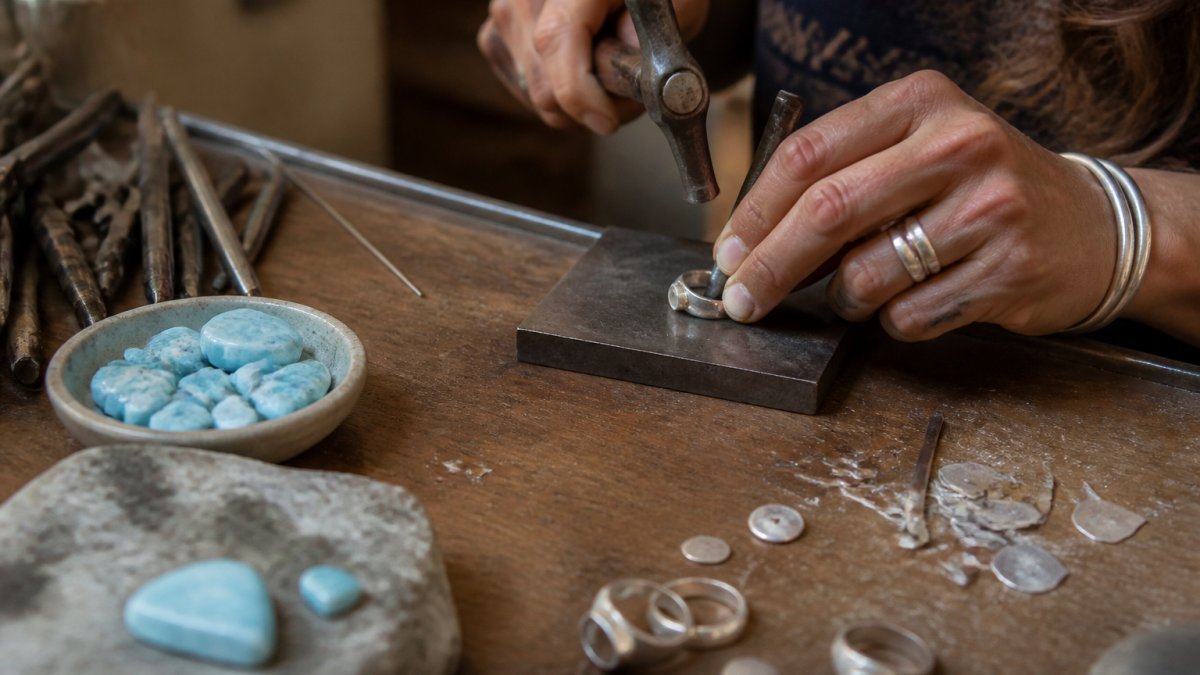
Inner Wild Jewelry's ocean-inspired designs exemplify this approach. Every piece carries the maker's vision, you're buying a creation, not inventory.
Material Integrity and Purity: Sterling Silver vs Fine Silver Jewelry
Sterling silver is 92.5% pure silver mixed with 7.5% copper; fine silver is 99.9% pure. This distinction explains why artisan silver jewelry costs more and why material matters for longevity.
Fine silver is too soft for everyday wear; sterling silver strikes the balance, durable enough for daily use while remaining workable for intricate designs. The copper strengthens it, making it the industry standard for lasting jewelry.
Inner Wild Jewelry pieces are crafted in tested, hallmarked sterling silver. The metal won't degrade under normal wear; tarnish is oxidation, not deterioration, and cleans easily.
Alloy composition matters for skin sensitivity. Some react to nickel in cheap silver-plated jewelry; genuine sterling silver minimizes this risk. Leila's designs use nickel-free sterling silver, important for sensitive skin or metal allergies.
Durability and Longevity: How Long Handmade Pieces Actually Last
Handmade jewelry is not fragile, artisan silver jewelry outlasts mass-produced pieces by decades when crafted properly.
Handmade sterling silver pieces survive because joints are soldered (not glued), metal is work-hardened through hammering, and design avoids stress points. The Element Ring with genuine Larimar is built to endure.

What determines longevity:
- Solder quality: Artisan jewelers use high-grade solder that bonds metal permanently
- Material thickness: Handmade pieces often use thicker gauge sterling silver than mass-produced equivalents
- Joint design: Artisans avoid sharp angles and weak connection points
- Stone setting: Genuine gemstones like Larimar are set in bezels or prongs designed to protect them
Most handmade sterling silver jewelry lasts 10-20+ years with basic care. The Bite Club collection, featuring sustainably sourced shark teeth, is designed as heirloom pieces, not disposable fashion.
Why Does My Silver Ring Turn My Finger Green: Understanding Tarnish and Alloy Composition
The green discoloration that appears on skin after wearing a sterling silver ring is one of the most common concerns stopping people from buying artisan silver jewelry. Understanding what causes it, and more importantly, how to prevent it, is essential for making an informed purchase, especially if you have sensitive skin or metal allergies.
The chemistry behind green discoloration:
The green mark is a chemical reaction between copper in sterling silver and moisture, sweat, or acidic skin. Copper oxidizes when exposed to moisture, creating a compound that transfers to skin. This happens with all genuine sterling silver and is temporary, harmless, and easily reversed, it's a sign your jewelry is real.
Green discoloration intensity varies based on skin pH (acidic skin shows more transfer), moisture exposure (humidity and sweat accelerate oxidation), ring finish (textured pieces show more transfer than polished), and alloy quality (pure copper oxidizes predictably).
Skin sensitivity and nickel content in sterling silver:
For most, green discoloration is cosmetic. For those with nickel sensitivity, it's serious, nickel is a common allergen that can trigger dermatitis, itching, or rashes.
Genuine sterling silver should not contain nickel, FTC standards specify the 7.5% non-silver content is copper, which is nickel-free. Some lower-quality jewelry illegally uses nickel to reduce costs, though enforcement is inconsistent.
When buying artisan silver jewelry, verify the maker uses nickel-free sterling silver. Reputable artisans state this explicitly. If you have a nickel allergy, ask the maker directly about alloy composition before purchasing.
Distinguishing between green transfer and allergic reaction:
The Element Ring - Larimar | Handmade Silver Ocean Inspired Ring // Size 7 →
- Green transfer (normal): A greenish or blackish mark on skin that washes off immediately with soap and water. No itching, rash, or irritation. This is oxidation and is harmless.
- Allergic reaction (nickel sensitivity): Itching, redness, rash, or swelling that persists even after removing the ring and washing. The reaction may worsen with continued wear. This indicates a metal allergy and requires switching to hypoallergenic materials.
If you experience an allergic reaction to sterling silver jewelry, the issue is likely nickel in the alloy, not the silver itself. Switching to verified nickel-free sterling silver or alternative materials like titanium or surgical stainless steel may resolve the problem.
Preventing and managing green discoloration:
Barrier methods: Apply clear nail polish or jewelry sealant to the inside of the ring to prevent oxidation (reapply every 2-4 weeks). Wear a thin cotton or silk liner, or keep the ring dry by removing it before swimming, showering, or exercising.
Maintenance and cleaning: Clean regularly with soft cloth and mild soap to reduce oxidation transfer. Dry immediately. Store in a tarnish-prevention pouch to minimize air exposure and extend time between cleanings.
Lifestyle adjustments: Remove the ring during heavy sweating or moisture exposure. In humid climates, expect more transfer and clean more frequently. If you have acidic skin, rotate between pieces.
Artisan pieces with textured, hammered finishes have more surface area and may show more green transfer than polished pieces, this is intentional design, not a defect. If sensitive to discoloration, choose smooth finishes or ask about sealant options.
The bottom line: green discoloration is normal for genuine sterling silver and is not a reason to avoid artisan jewelry. It's manageable through simple preventive measures, and it's a reliable indicator that your piece is real. If you experience an allergic reaction (itching, rash, swelling), the issue is likely nickel content, and you should verify the maker's alloy composition or consider alternative materials.
How to Clean Handmade Silver Jewelry and Maintain Its Value
Tarnish is surface oxidation on sterling silver. Cleaning handmade jewelry properly keeps it looking new and protects your investment.
The basic method:
- Warm water, mild dish soap, and a soft cloth
- Soak the piece for 5-10 minutes
- Gently scrub with the cloth, paying attention to crevices
- Rinse thoroughly and dry immediately
For tarnished pieces, use a silver polishing cloth.
Hallmarking, Authenticity, and Investment Potential
Real sterling silver is marked with "925," "Sterling," or "92.5", the jeweler's guarantee of legal purity standards. Understanding hallmarks is essential for authentication and resale.
How to read hallmarks and assay marks:
Verifying authenticity if no hallmark is visible:
Resale value and market dynamics:
Why artisan pieces hold value better than mass production:
The Real Cost: Craftsmanship, Ethics, and Resale Value
A mass-produced ring is stamped in seconds; an artisan ring takes hours of design, material sourcing, hand-forming, stone setting, soldering, polishing, and quality-checking. That labor justifies the cost.
| Aspect | Artisan Silver Jewelry | Mass-Produced Silver |
|---|---|---|
| Time to create | 2-8 hours | 30 seconds to 5 minutes |
| Material quality | Verified sterling silver | Often silver-plated or low-grade |
| Durability | 10-20+ years | 6 months to 2 years |
| Resale value | 40-60% of original | 10-20% of original |
| Uniqueness | One-of-a-kind or limited | Identical copies |
| Customization | Possible | Not available |
Frequently Asked Questions
What are the benefits of buying artisan silver jewelry?
Artisan silver jewelry offers one-of-a-kind designs, superior material integrity through handcrafted techniques, and direct support for independent makers. Each piece reflects authentic craftsmanship rather than mass production, often featuring unique details like hammered textures or custom gemstone settings. Handmade pieces typically use higher quality sterling silver and alloys, resulting in better durability and longevity than factory-made alternatives. Additionally, many artisan makers, like those at Inner Wild Jewelry, donate a portion of proceeds to conservation efforts, adding meaningful impact to your purchase.
Is artisan jewelry real and how can you tell if silver jewelry is high quality?
Authentic artisan jewelry is real silver, typically marked with hallmarks indicating sterling silver content (925 parts per thousand). Look for maker's marks, assay stamps, and documentation from the artisan. High-quality silver jewelry should feel substantial in weight, have smooth finishes without rough edges, and feature consistent hallmark stamps. Genuine artisan pieces often include unique characteristics, slight variations in hand-forged elements, custom gemstones, or personalized details, that distinguish them from identical mass-produced items. Request information about the silversmith's credentials and materials used.
Does handmade silver jewelry hold its value and can it be resold?
Handmade silver jewelry holds value better than mass-produced pieces due to material integrity and craftsmanship. Sterling silver maintains intrinsic precious metal value based on current market prices. Resale value depends on condition, design desirability, and maker reputation. Resale markets vary, specialized platforms and jewelry consignment shops typically offer better returns than general secondhand sites.
Why does my silver ring turn my finger green and how can I prevent it?
Your finger turns green when copper in the silver alloy oxidizes and reacts with skin moisture and oils. Sterling silver (92.5% pure silver) contains 7.5% alloy metals, often copper, which causes this harmless discoloration. Nickel-free artisan pieces reduce this reaction significantly. To prevent green fingers, apply a clear nail polish or jewelry coating to the ring's inner surface, keep your hands dry, and clean your ring regularly with mild soap and water. Higher-quality artisan silver jewelry with premium alloy compositions (avoiding nickel) minimizes this issue while maintaining durability.
How should I clean handmade silver jewelry to maintain its quality and appearance?
Clean handmade silver jewelry gently with warm water, mild dish soap, and a soft cloth to avoid scratching hand-forged details. For tarnished pieces, use a silver polishing cloth or create a paste of baking soda and water, applying it with a soft brush. Avoid harsh chemical cleaners that can damage custom finishes or gemstones. For pieces with gemstones like Larimar or pearls, use only water and mild soap, never submerge in harsh solutions. Store jewelry in airtight containers or anti-tarnish bags to slow oxidation. Regular gentle cleaning preserves the craftsmanship and longevity of artisan silver pieces.