

Where Wildlife Jewelry Donations Go
Table of Contents
- Where Do Wildlife Jewelry Donations Go
- How Charities Use Donated Jewelry
- Where to Donate Unwanted Jewelry
- How to Verify Charity Donations
- Donating Handmade Jewelry to Charity
- Wildlife Conservation Impact You Can Measure
- Frequently Asked Questions
Last Updated: October 11, 2026
Where Do Wildlife Jewelry Donations Go
When you donate jewelry to support wildlife conservation, your generosity doesn't disappear into a void. At Inner Wild Jewelry, we understand the importance of transparency about where wildlife jewelry donations go and how they create real impact for animals and ecosystems.
Wildlife jewelry donations follow several pathways. Some pieces are resold to fund conservation work directly. Others are broken down for their materials and sold to support nonprofit operations. A portion goes to wildlife charities as unrestricted funding for their mission. The key is knowing which model a charity uses and what it means for your donation's impact.
Direct Impact: Funding Conservation Work
Many wildlife charities use donated jewelry to fund hands-on conservation efforts. When you donate a piece, the nonprofit may sell it through their own resale channels or partner with retailers. The proceeds go directly toward animal rescue operations, habitat restoration, and wildlife protection programs.
This direct funding model works best when charities have established resale infrastructure. Some organizations partner with online platforms that handle the logistics of selling donated items.
The transparency here matters. A trusted wildlife charity will tell you exactly how much of each sale goes to conservation work versus operational costs.
Resale and Secondary Markets
Donated jewelry typically enters secondary markets through several channels. Nonprofit thrift stores remain the most common destination, where pieces are priced affordably and sold to fund the organization's mission.
Some charities work with specialized jewelry resellers who understand how to market handmade and pre-loved pieces. These resellers take a commission but handle the photography, listing, and shipping.
A growing number of wildlife nonprofits partner with sustainable fashion retailers who feature donated jewelry alongside their own collections. This approach reaches fashion-conscious buyers who actively seek pre-loved and ethically sourced pieces.
How Charities Use Donated Jewelry
Valuation and Processing
When jewelry arrives at a nonprofit, staff or volunteers assess its condition and value. Pieces in excellent condition with clear metal stamps and intact stones command higher prices.
Many charities use professional appraisers for high-value items. For everyday donations, trained volunteers develop an eye for what will sell and at what price point.
Documentation matters for donors too. Charities that issue receipts for donations help you claim tax deductions. Handmade jewelry and designer pieces often qualify for higher valuations, which benefits both the nonprofit and your tax situation.
Allocation of Proceeds
Here's where wildlife jewelry donations make their actual impact. Once pieces sell, the nonprofit allocates proceeds according to its mission. An ocean conservation group might fund marine research, beach cleanups, and policy advocacy.
The best charities publish annual reports showing exactly how donation proceeds are spent. Look for breakdowns by program area.
Many wildlife nonprofits maintain separate funding streams. Jewelry donations might support specific programs that don't receive government grants or corporate sponsorships. This targeted funding allows charities to pursue conservation work that wouldn't otherwise get resources.
Where to Donate Unwanted Jewelry
Types of Jewelry Accepted
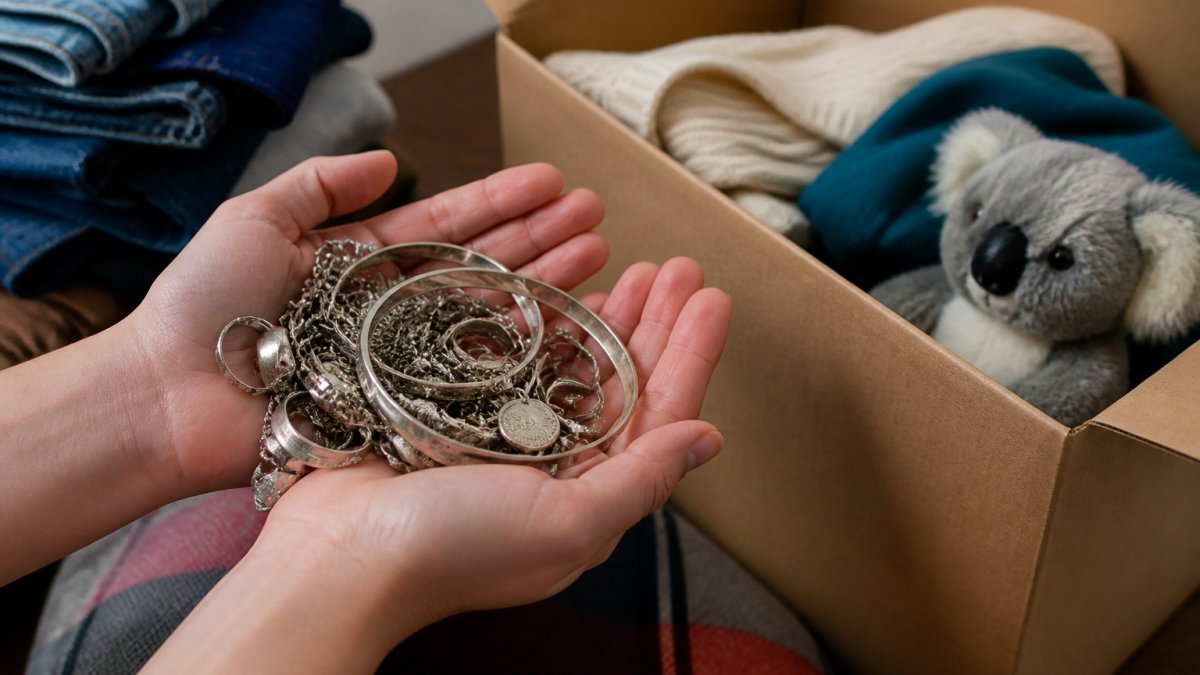
Most wildlife charities accept many jewelry types. Necklaces, bracelets, rings, earrings, and brooches work equally well. Handmade pieces are especially welcome, they tell a story and appeal to conscious consumers seeking unique items.
Damaged jewelry is often accepted too. Broken clasps, missing stones, and tarnished pieces can be repaired, melted down, or broken apart for components.
Some charities also accept jewelry boxes, watches, and vintage collections. A few specialize in high-end pieces and can connect donors with appraisers for valuable items.
Condition Requirements
Most wildlife charities have minimal condition requirements. Pieces don't need to be pristine or currently wearable. Tarnished silver, broken chains, and missing stones are all acceptable.
That said, severely damaged items may cost more to process than they generate in value. A completely shattered stone or a necklace that's rusted through might not be worth the handling. When in doubt, contact the charity directly.
Clean your pieces before donating if possible. A quick polish of silver or wipe-down of gold helps the item sell faster and at a better price. This small step increases the donation's ultimate impact.
How to Verify Charity Donations
Checking Nonprofit Status and Transparency
Before donating, verify that the organization holds 501(c)(3) tax-exempt status. Search the IRS Tax Exempt Organization Search tool (available at irs.gov) to confirm the charity's legal status and review its Form 990-N, 990-EZ, or 990 filing. Form 990 filings are public records that show the organization's revenue, expenses, executive compensation, and program spending.
Next, check your state's charity registration database. Most states require nonprofits to register before soliciting donations. Registration status and any disciplinary history are public information. If a wildlife charity claims to operate in your state but isn't registered, contact your state's attorney general office.
Visit the charity's website and look for these specific documents:
- Annual Impact Report: Shows animals rescued, acres protected, or conservation outcomes achieved in the past year. Vague language like "we helped wildlife" without numbers is a warning sign.
- Financial Statement or Form 990: Breaks down program spending versus administrative costs. Legitimate wildlife charities typically spend 65-75% of donations on programs. If administrative costs exceed 35%, ask why.
- Donation Policy: Explains exactly what happens to jewelry donations, whether items are resold, melted, or sent to partner organizations.
- Board of Directors List: Real nonprofits publish their board members. A board with no wildlife expertise or all family members suggests weak governance.
Tracing Your Donation: The Full Chain
Don't stop at verifying nonprofit status. Ask the charity to explain the complete journey of a jewelry donation:
- Intake and Assessment: Who evaluates donated items? Are they trained staff or volunteers? How long does assessment take?
- Resale Channel: If the piece will be resold, where? Through the charity's own thrift store, an online platform, or a third-party reseller? What commission does a reseller take?
- Fund Allocation: What percentage of the resale price goes to wildlife programs? Request a specific breakdown. For example: "60% funds animal rescue, 25% funds habitat restoration, 15% covers operational costs."
- Impact Reporting: Can the charity tell you which specific program your donation supports? Some organizations track individual donations and can report that your jewelry funded X hours of rescue work or Y acres of habitat protection.
Reputable wildlife charities welcome these questions and can provide written answers. If a charity becomes defensive or vague, that's a signal to donate elsewhere.
Red Flags to Watch
Avoid charities that:
- Make emotional appeals without data: "Help save endangered animals" without naming species, locations, or measurable outcomes.
- Claim 100% of donations go to programs: Every nonprofit has administrative costs. Claims of zero overhead are unrealistic and often false.
- Won't disclose how jewelry donations are used: If they can't explain whether your piece will be resold or melted, they haven't thought through their donation process.
- Lack a physical address or phone number: Legitimate nonprofits are transparent about where they operate.
- Pressure you to donate immediately: Trustworthy organizations give you time to research.
- Offer inflated tax valuations: If a charity suggests your costume jewelry is worth far more than market value to maximize your deduction, they're exposing you to audit risk and themselves to fraud allegations.
Requesting Impact Documentation
Contact a charity directly and ask for:
- Program-specific metrics: How many animals were rescued last year? How many acres of habitat were restored? What species benefited?
- Jewelry donation allocation: What percentage of jewelry donations fund each program area?
- Third-party validation: Are they accredited by the Better Business Bureau's Wise Giving Alliance or similar watchdog? Do they undergo independent audits?
- Case studies or examples: Can they share a story of how jewelry donations funded a specific rescue or conservation project?
Many wildlife charities now publish this information on their websites or in annual reports. Organizations that track donation impact at the individual level, telling you that your contribution funded a specific animal's rehabilitation or habitat acres, demonstrate genuine commitment to transparency and accountability.
Donating Handmade Jewelry to Charity
Why Handmade Pieces Matter
Handmade jewelry carries special significance for wildlife charities. Each piece tells a story of craftsmanship and intention. Buyers seeking pre-loved jewelry often prefer handmade items because they're unique and represent values like sustainability and artisan support.
Charities understand this appeal. When they receive handmade donations, they often feature them prominently in resale channels. A handcrafted silver necklace sells faster and at a better price than mass-produced costume jewelry.
At Inner Wild Jewelry, we recognize that handmade pieces carry soul. When these items are donated to wildlife causes, they continue their purpose, connecting people to nature while supporting conservation work.
Valuation and Tax Documentation
Handmade jewelry typically receives higher valuations than factory-made pieces. A handcrafted silver bracelet might be valued at significantly more than an equivalent weight of costume jewelry.
When you donate handmade jewelry, ask the charity for a detailed receipt that describes the items and their estimated value. Professional appraisals are worth the investment for valuable pieces.
Keep photos of donated items before sending them. Document any maker's marks, signatures, or special characteristics. This record helps if you're audited and supports the charity's resale efforts, they can use your descriptions in their listings.
Wildlife Conservation Impact You Can Measure
The most meaningful wildlife jewelry donations create measurable conservation outcomes. When you donate through a transparent charity, you can track results. Some organizations report that jewelry donations fund:
- Rescue operations for endangered animals
- Habitat restoration in critical ecosystems
- Research that protects species from extinction
- Community education programs that reduce human-wildlife conflict
- Policy advocacy that strengthens environmental protections
Ask your chosen charity what specific outcomes jewelry donations support. Some may fund marine conservation if they focus on ocean wildlife. Others might support terrestrial habitat protection or wildlife rehabilitation.
Inner Wild Jewelry's commitment to wildlife conservation means we understand the importance of this transparency. When you choose to donate jewelry, you're joining a community of people who value both beautiful handmade pieces and meaningful environmental impact.
Donating jewelry to wildlife causes is a simple way to support conservation while decluttering your collection. When you donate directly to trusted wildlife nonprofits, you're funding the work that protects animals and habitats.
Frequently Asked Questions
Where can I donate unwanted jewelry to support wildlife?
You can donate jewelry directly to wildlife charities, animal rescue organizations, and conservation nonprofits that accept donations. Many accept mail-in donations; others have physical drop-off locations. Before donating, verify the organization's nonprofit status through the IRS Tax Exempt Organization Search tool. Ask the charity specifically how they use jewelry donations, whether they resell items or accept only precious metals for direct funding. Wildlife-focused organizations like local animal sanctuaries and marine conservation groups often welcome donations and can provide impact reports showing how proceeds support their missions.
What happens to donated jewelry after a wildlife charity receives it?
Donated jewelry typically follows one of two paths. Some charities resell gently loved pieces through online platforms or thrift stores, directing resale proceeds to conservation work. Others appraise items for precious metal content and sell metals to refiners, converting the value into direct funding. High-value pieces may be auctioned or featured in fundraising campaigns. Handmade jewelry, especially unique artisanal pieces, often appeals to conscious consumers and can generate higher resale value. Charities process donations through valuation, cataloging, and placement into their chosen sales or fundraising channel to maximize impact for wildlife protection and animal rescue efforts.
How can I tell whether a jewelry donation actually helps animals?
Request a charity's annual impact report or donation allocation statement before giving. Ask directly: What percentage of proceeds funds animal programs versus overhead? Do they track conservation outcomes, rescued animals, acres protected, species supported? Verify their nonprofit status and check reviews on Charity Navigator or GiveWell. Reputable wildlife organizations share specific impact metrics, such as 'Your donation funds one week of sanctuary care for a rescued animal' or 'Proceeds support marine habitat restoration in [specific location].' Red flags include vague language about 'supporting wildlife' without detail, no published financials, or unwillingness to answer questions about fund allocation.
Can handmade jewelry be donated to an animal charity?
Yes, handmade jewelry can be donated to animal charities, and artisanal pieces often hold strong resale value. When donating handmade items, provide documentation of materials (sterling silver, gemstones, etc.) and condition. If the piece has significant artistic or material value, request a professional appraisal for tax documentation purposes. Handmade jewelry appeals to conscious consumers seeking unique, non-factory-made pieces with a story, making it attractive for resale fundraising. Charities appreciate handcrafted items because they differentiate from mass-produced donations and often generate higher proceeds per item. Contact the charity first to confirm they accept handmade pieces and understand their valuation process.